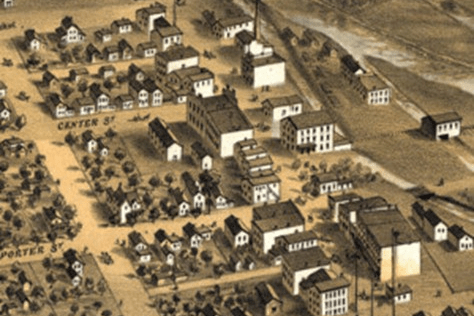
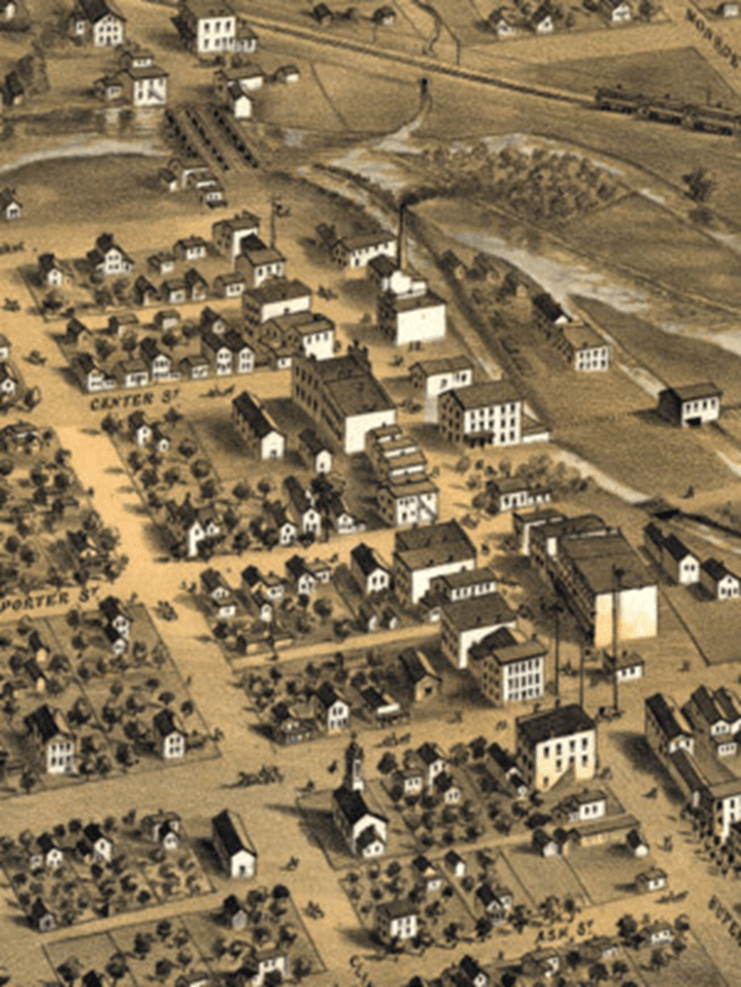
The Albion Weekly Mirror published a Business Directory in 1857 showing the many businesses that had taken hold in the community just two years after its incorporation as a village, five years since the railroad arrived, and only 26 years after the first log cabin was built in 1831. Southern Michigan in the 1830s was full of dense forests and treacherous swamps. In nearby Branch County townships were passing bounties on wolves. But Albion nestled in an oak savannah was more fortunate and civilization moved quickly. By 1857, Albion had a population of about 1,700.
The village had three attorneys: George Monroe, whose offices were over R.G. Hall’s Store on Superior Street; Thomas G. Pray, who in addition to being a Solicitor and Counselor also advertised himself as a prompt collections agent.; and A. Peck, who also served as Justice of the Peace and had an office in the Peabody Block of Superior Street.
There were several physicians and surgeons. W.H. Johnson and W.B. Southard had their office at their drug store, one door south of the Express office. Osborn and O’Donoughue were one door east of G. J. Phipany’s dry goods store at the corner of Erie and Superior while Dr. G.W. Stone had his dentist, doctor and surgery office just around the corner in the Peabody Block one door south G.J. Phipany.
Rounding out the service sector of Albion’s early economy was M. Hannahs, a banker of Superior Street; his son G. Hannas, a notary public at their Banking and Exchange Office; Solomon Hurst, barber and hairdresser, one of Albion’s early black residents who had moved to Albion six years earlier; Chatfield & Harroun, the livery stable keepers, who operated on the north side of the river on Superior Street; and Jesse Crowell, one of Albion’s legendary town leaders, who operated the Albion Stone Mills with William V. Morrison in the center of downtown. M. B. Wood was agent for the Erie and Michigan Telegraph Company at the corner of Superior and Vine streets while the Albion Hotel operated near the railroad tracks on Superior.
There were many dealers in dry goods and related merchandise. R.G. Hall sold dry goods, groceries, crockery, boots, shoes, hats and caps in his store in the Hannah Block. M. Rindskopf had fancy dry goods and ready-made clothing in addition to groceries, boots and shoes in his store in the Peabody Block. Nearby were the Peabody brothers who had built the Peabody block who also dealt in dry goods, groceries, etc. etc. B.B. & W.H. Bidwell were dealers in staple and fancy dry goods, groceries, crockery and hardware on the corner of Superior and Porter streets. Dalrymple & Clay are also listed as dealers in fancy and staple dry goods, groceries, crockery, &c., &c., in the Hannahs Block. Luse and Davis, Clift & Hunter, H. Bennett, and G.J. Phipany, flanked as he was by physicians, also operated similar stores.
More specialized merchandise could be purchased from Miss L. Worth who was a dealer in all kinds of millinery goods on Porter Street; Mrs. Tuttle who had her millinery shop on Erie Street; Wm. Howard, a draper and tailor who also sold ready-made clothing; the jeweler U.H. Dupark who sold watches, clocks, jewelry and fancy goods on the corner of Superior and Porter; and S.D. Fairchild who dealt in groceries, confectionaries, Yankee notions, nuts, oysters, sardines, etc. etc. on also on the corner of Superior and Porter streets.
There were many small manufacturers as well. E. Woodruff made cabinets, chairs, looking glasses, and mattresses on the corner of Cener and Superior Streets, under the Mirror office. Ashley and Olcott were manufacturers and dealers in every variety of marble monuments, tomb stones, and furniture in their Superior Street store. C. Eslow made all kinds of buggies, carriages and lumber wagons just east of the Crowell’s flour mills. W.H. Watkins made boots and shoes nearby while Reed & Eastman made harnesses, saddles, trunks and carriage trimmers on the corner of Superior and Porter streets
O.P. Viets was a manufacturer and dealer in chairs. M.S. Stevenson made and repaired carriages, buggies and wagons while Kotcher & Hollister were blacksmiths as well as manufacturers of buggies, wagons and carriages. O.H. Green and M. Townsend were both wholesale and retail leather dealers while making boots and shoes. Townsend also had a sash and glass business. Wm. S. Loomis dealt in cooking, parlor and plate stoves while manufacturing tinware while the ambitions James Monroe made threshing machines, separators, and other agricultural implements on Superior Street. Meanwhile, Z. Luse worked as a drayman which given the amount of merchandise needing to be hauled in Albion at that time must have been a busy job.
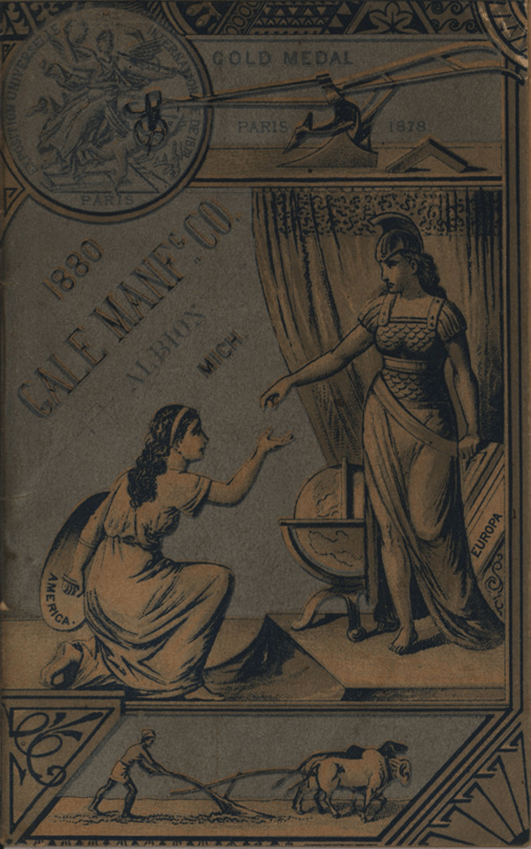
1880 Gale Manufacturing Catalog
George Gale of Superior Street is listed as a dealer in hardware, stoves, and cutlery. His sons Orlando, Horatio and Augustus would start Gale manufacturing seven years later, and as Albion historian Frank Passic wrote, “the rest is history.” Gale would become one of the leading manufacturers of agricultural implements in America and usher Albion into the industrial age. And Orlando would build the Gale mansion, still standing, on the corner of North Eaton St and W. Mulberry Street. Albion was a town destined to grow, and entrepreneurs were eager to be part of that growth.
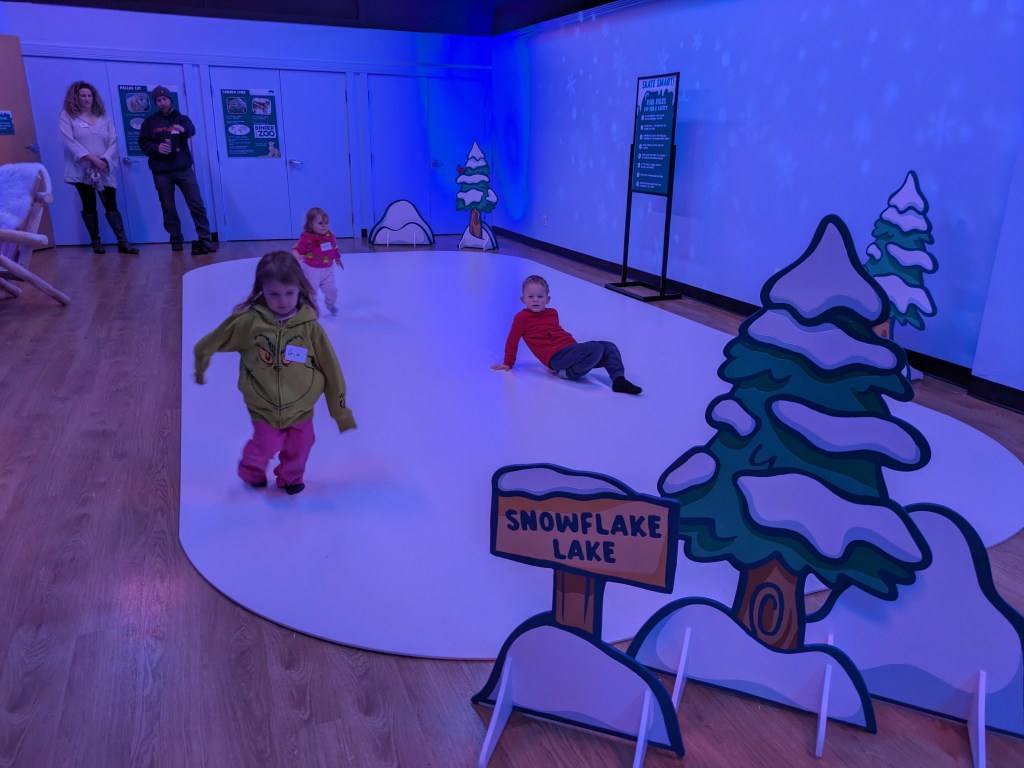

 Albion Life Today