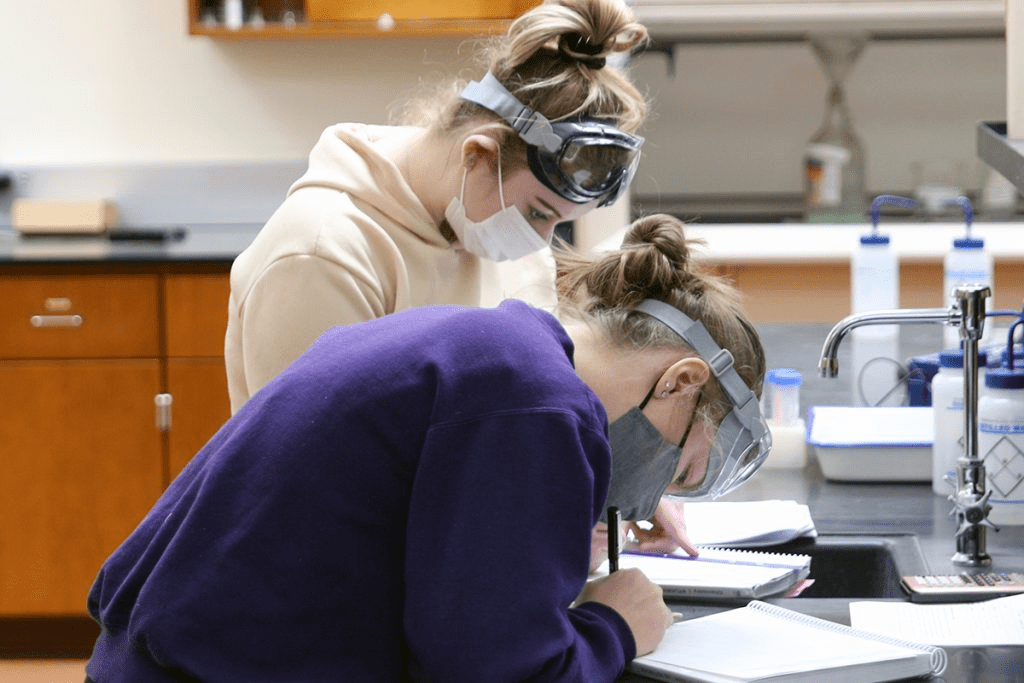
With the health care workforce under increasing strain across Michigan, Albion College’s Lisa & James Wilson Institute for Medicine is stepping up as a catalyst for change. Thanks to major investments, strategic partnerships, and a deliberate emphasis on equity and community engagement, the Wilson Institute is proving it can do more than prepare students for medical careers, it is helping to shape health outcomes and capacity for the surrounding region. The Wilson Institute offers a breadth of programs: including pre-dental, pre-veterinary, pre-health, pre-medicine, pre-physical therapy, and pre-nursing tracks.
In late 2024, the Institute announced a key partnership with MedCerts, a provider of online health care and IT education. The collaboration gives undergraduates at Albion access to 12 immersive online certification programs ranging from Patient Care Technician to Surgical Technologist. These certifications are nationally recognized and are designed to bridge education and employment in a state that has nearly 800 regions designated as Health Professional Shortage Areas (HPSAs).
That MedCerts partnership is just one of the Institute’s strategies to serve both students and local clinical providers. Also in recent years, Albion was selected to take part in the NIH’s All of Us study, a research effort designed to improve precision medicine through greater representation in genetic and health data. The college’s selection was based in part on its efforts to diversify its student body and build institutional supports for student success.
From the standpoint of community partners, those hospitals, clinics, and public health agencies in Albion and beyond, these kinds of initiatives have multiple benefits.
They help generate more qualified local applicants for clinical positions. Albion students who complete MedCerts courses, or participate through the Wilson Institute’s experiential and certificate programs, are entering the job market with credentials that are immediately useful to employers. That fills gaps, especially in rural or underserved areas that often struggle to recruit trained staff. While data on exactly how many such students have remained in local clinics post-graduation is still emerging, the capacity-building is clear: employers in the region now have a pipeline of staff who require less onboarding to meet baseline certification.
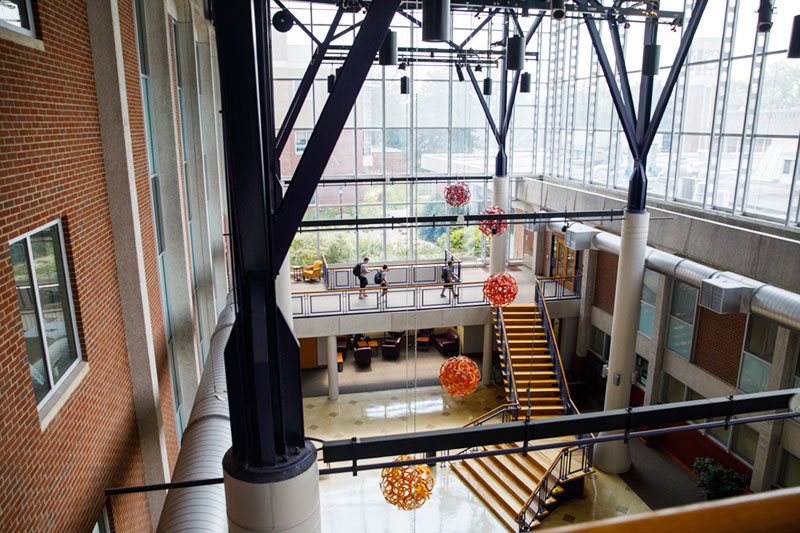
On the student side, Albion College data shows that approximately 631 students annually benefit from professional skill-building via the institutes, with more than 150 internships in community organizations each year. While not all of those are Wilson Institute internships, they reflect the scale of campus-community partnership structures in which the Wilson Institute participates.
Still, challenges remain. Ensuring that health-certified students stay in underserved communities, instead of relocating to larger cities, requires more incentives, better coordination, and ongoing support. Likewise, local clinics sometimes lack the bandwidth to supervise student interns or incorporate research projects, which limits what can be done. But the Wilson Institute’s model is forward-looking: it is gradually building the capacity of partner organizations while educating students equipped to address the gaps.
In 2025 and beyond, the Institute’s ties with MedCerts, and its local public health certificate offerings are poised to produce measurable impacts: more certified health care workers in HPSAs, more community health projects, and better health equity for residents of Albion and surrounding counties.
So, for community partners from clinics and hospitals to public health departments and nonprofit service agencies, the Wilson Institute isn’t just sending out well-prepared students. It is becoming part of the infrastructure that more robust health systems in underserved Michigan areas need.


 Albion Life Today